Tag: Travel

  • Bali ATV Quad Bike Jungle Adventure Tour: The Real Experience of Riding Through Bali’s Wild Side

    Bali ATV Quad Bike Jungle Adventure Tour: The Real Experience of Riding Through Bali’s Wild Side

    If you’ve been looking up adventure activities in Bali, chances are you’ve come across something called the Bali ATV quad bike jungle adventure tour. The name sounds a bit long, but trust me, the experience is way bigger than the words. This isn’t just another “tourist activity” like posing at a swing or sipping a coconut on the beach. Riding an ATV through Bali’s muddy trails, jungle rivers, and steep hills feels more like being part of a movie set where you’re the lead character. And the cool part? You don’t need to be some extreme sports junkie to enjoy it.

    I’ve gone on this ride multiple times with friends, with family, even once alone when I wanted to just clear my head. Every time, it’s a bit different depending on the weather, the group, and the track conditions. Sometimes the paths are super muddy and you come out looking like you wrestled a swamp monster, other times the route feels almost serene with rice fields glistening in the sunlight. Either way, this tour always delivers on fun and adrenaline.

    Read also: Bali Itinerary 10 Days

    What Exactly Is a Bali ATV Quad Bike Jungle Adventure Tour?

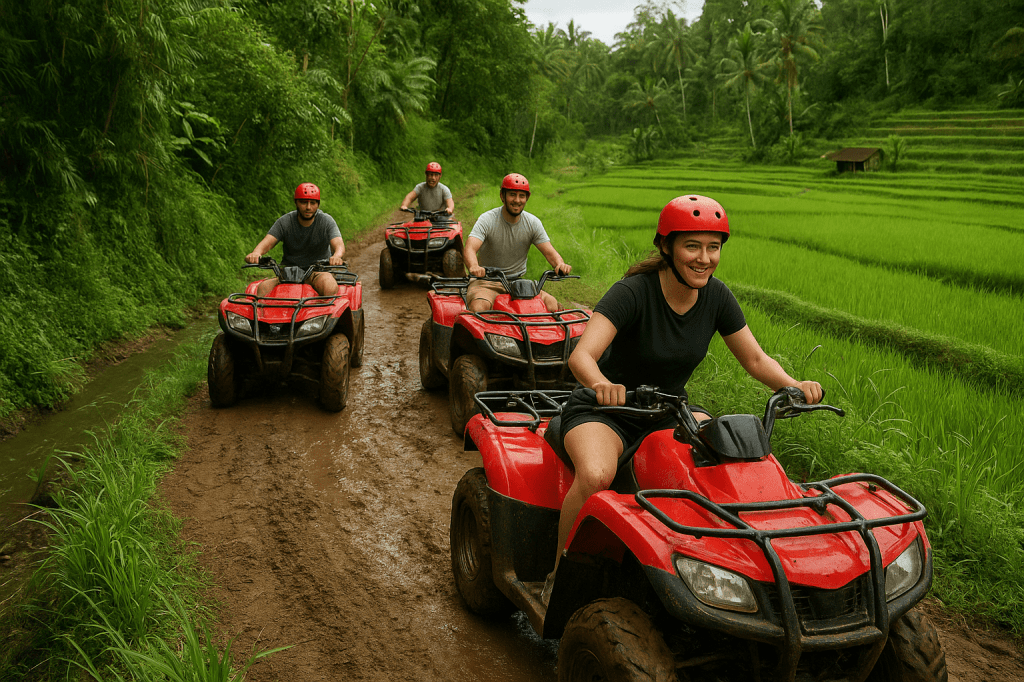
    So, let’s break it down. An ATV (All-Terrain Vehicle) is basically a four-wheeled motorbike designed to handle rough paths. Think of it as a motorcycle’s tough cousin that doesn’t mind mud, rivers, or steep trails. The “jungle adventure” part means you’ll be riding through Bali’s off-road terrain: muddy paths, bamboo forests, rice terraces, small rivers, hidden waterfalls, and sometimes even through caves.

    Most tours are about 1.5 to 2 hours of actual riding, and they usually happen in Ubud or Gianyar areas—these spots have the right mix of jungle and rice field terrain. Some tour operators even offer “extreme tracks,” which are basically routes with deeper mud pits, trickier turns, and steeper hills for those who want an extra kick of adrenaline.

    The nice thing is that you don’t need a motorbike license for this. The ATVs are automatic, so it’s basically push the throttle and steer. Even if you’ve never touched a motorbike before, you’ll get the hang of it after a short practice session.

    Why People Can’t Stop Talking About It

    I’ll be real with you: Bali has a lot of adventure tours. Rafting, canyoning, volcano hikes, cycling trips—you name it. But there’s something different about this ATV experience. For starters, it’s not passive. On a rafting trip, the river controls half the experience. With ATVs, you’re in full control, steering, accelerating, and sometimes making split-second decisions about how to handle a slope or a patch of slippery mud. That kind of control makes it feel more personal and rewarding.

    And then there’s the scenery. Riding through rice terraces looks amazing from above, but when you’re down there on a quad bike, the perspective is totally different. You feel the mud splashing on your legs, you hear the sound of farmers working in the distance, you smell the earthy scent of wet soil—it’s all immersive.

    According to Bali’s official tourism statistics from the Ministry of Tourism and Creative Economy, Ubud and Gianyar consistently rank among the top destinations for adventure tourism in Indonesia, and ATV rides are listed as one of the fastest-growing activities booked by international travelers. That says something about the demand and the appeal.

    The First Time I Tried It (And What I Learned)

    I’ll never forget my first time on an ATV in Bali. I was nervous because I’d never driven anything off-road before. The instructor told me, “Don’t fight the bike. Let it roll.” At first, I didn’t get it. But five minutes into the ride, when my wheels hit the first muddy slope, I understood. If you over-steer or panic-brake, you’ll get stuck or tip. But if you trust the machine, it will climb, slide, and find its way.

    I ended that ride completely covered in mud. My shoes were a lost cause, my shirt looked like it had gone through a war zone, but the grin on my face was massive. Since then, I always tell first-timers: wear clothes you don’t mind ruining. And bring a change of clothes. Seriously.

    Where in Bali Can You Do This?

    Most of the Bali ATV quad bike jungle adventure tours are centered around Ubud and its surrounding villages like Taro, Silakarang, and Gianyar. These areas have a mix of jungle paths, small rivers, and rural villages that make the ride more interesting.

    • Ubud – Great for jungle, rice fields, and village paths. Some tours even take you through caves and tunnels built decades ago.
    • Gianyar – Known for slightly more rugged tracks, lots of muddy trails, and river crossings.
    • Payangan – A bit quieter than central Ubud, with wide rice terraces and bamboo forests.

    I once tried one near Taro village, and halfway through, we passed by a small waterfall where you could actually stop, rest, and take photos. That break made the ride even more memorable because it wasn’t just about speed; it felt like a mini-journey with scenic pauses.

    Who Is It For (And Who It’s Not For)

    I’ve had people ask me, “Can kids do this? What about older travelers?” The answer is: it depends.

    Most operators allow kids as passengers (riding behind an adult driver), usually from 6 years old. To drive solo, the minimum age is often 12–15 depending on the company. So, if you’re traveling with family, this can actually be a fun activity for both parents and kids, as long as expectations are managed.

    For older travelers or those with knee/back issues, I’d say think carefully. The ride isn’t extremely rough, but you will bounce around a lot. The seat is not as forgiving as, say, sitting in a car. If you’ve got injuries or mobility issues, it might not be the best choice.

    Safety: What You Need to Know Before Riding

    One thing I like about Bali’s ATV tours is that they do care about safety, but let’s be honest—this is still Bali, and standards aren’t always the same as in Western countries. So here are a few things to keep in mind from my own experience:

    1. Helmet always – They’ll give you one, and you should wear it. Not just for show.
    2. Listen to the briefing – The instructors usually demonstrate how to accelerate, brake, and balance. Don’t zone out here—it matters.
    3. Don’t tailgate – If you ride too close behind someone, you’ll eat mud, literally. And if they get stuck, you’ll pile up too.
    4. Check your gear – If your quad feels off (like loose brakes or throttle sticking), tell the guide before you start.

    I once had a friend who ignored the briefing and went full throttle on the first slope. Within seconds, he was stuck in the mud pit, engine roaring, mud flying everywhere. The instructor just laughed and said, “Patience, my friend, patience.” Lesson learned.

    What to Wear and Bring

    Honestly, the right outfit can make or break your experience. If you wear your favorite white sneakers—goodbye sneakers. Here’s what I recommend:

    • Old sneakers or sandals with straps (not flip-flops, unless you want them gone)
    • Clothes you don’t mind staining (dark shorts and a T-shirt are perfect)
    • A small backpack with a change of clothes
    • Waterproof pouch for your phone (you’ll thank me later)
    • Sunglasses or goggles if you don’t like mud splashing directly in your eyes

    Some tours offer showers at the base camp after the ride, which is a lifesaver. Trust me, you don’t want to ride back to your hotel caked in wet mud.

    Different Types of ATV Tours in Bali

    Not all Bali ATV quad bike jungle adventure tours are the same. You’ll find a variety of packages, and choosing the right one depends on what you’re looking for:

    • Standard ATV Ride (1–2 hours) – The classic option. Good for beginners and families. Usually covers rice fields, jungle, and a small river crossing.
    • Extreme ATV Track – Designed for thrill-seekers. Expect steep inclines, deep mud pits, and more technical paths.
    • Combo Packages – Some operators bundle ATV rides with other activities like white-water rafting, visiting coffee plantations, or having a traditional Balinese lunch.
    • Private Tours – If you don’t like riding with a large group, some companies offer private tours. It’s pricier, but you get more flexibility and personal guidance.

    I once joined a combo package with rafting on the Ayung River. It was a full-day adventure—mud in the morning, rapids in the afternoon. By the time I got back to my hotel, I was so tired but so happy.

    Prices: What You Can Expect to Pay

    Prices vary depending on the operator, location, and whether it’s a package deal. On average, here’s the breakdown I’ve noticed:

    • Standard tour: $40–$70 USD per person
    • Extreme tracks: $70–$90 USD
    • Combo packages: $90–$130 USD (includes rafting, lunch, etc.)

    Most tours include hotel transfers (especially if you’re staying in Ubud, Seminyak, or Kuta), safety gear, and sometimes even a meal. I recommend checking if the price includes transport because arranging your own taxi can sometimes cost almost as much as the activity itself.

    When’s the Best Time to Go?

    Now, this is important. The season really changes the experience.

    • Dry season (April–October): Trails are firmer, less mud, smoother ride. Good for beginners who don’t want it too messy.
    • Rainy season (November–March): Trails are slippery, puddles everywhere, mud galore. This is the real adventure. You will get dirty, you will slide, and you’ll either love it or hate it.

    Personally, I prefer rainy season rides. Yes, you’ll end up looking like you fell into a swamp, but that’s half the fun. Dry season rides can sometimes feel like a countryside stroll, while rainy season is like a full-on obstacle course.

    Tips From Someone Who’s Done It Too Many Times

    Let me share some practical lessons I’ve learned over the years:

    • Don’t gun the throttle when you’re stuck in mud. Rock the bike gently out instead.
    • If you see water ahead, slow down a little. If you blast into it, the splash will hit your face straight on.
    • Bring cash. Some tours stop at local warungs (small cafes) along the route, and you might want a coconut or snack.
    • Photos: Most operators have photographers along the way. They’ll catch those epic action shots of you covered in mud. It’s worth buying them instead of risking your phone mid-ride.

    Why It’s More Than Just a Ride

    Here’s the thing: yes, the ATV ride is fun. But what makes it special in Bali is how it connects you with the environment. You’re not zooming on a paved road. You’re weaving through rice fields where farmers are working, you’re splashing through rivers that kids might be swimming in, you’re riding past temples tucked away in villages.

    It’s an adventure, but it’s also a window into Balinese life outside the tourist hubs. I remember passing an old woman carrying baskets of grass on her head, and she stopped to smile and wave at us. Little moments like that make the experience richer than just the adrenaline rush.
  • Bali Itinerary 10 Days: What I’d Actually Do if I Had Just 10 Days in Bali (From a Local Driver’s POV)

    Bali Itinerary 10 Days: What I’d Actually Do if I Had Just 10 Days in Bali (From a Local Driver’s POV)

    Alright, so you’re looking up “Bali itinerary 10 days” and now your head’s probably spinning with a hundred blog posts, Pinterest pins, and TikTok videos showing perfect drone shots and impossible schedules. Let me help you cut through all that noise. I’ve been a private driver in Bali for over a decade now, and trust me, I’ve seen tourists cram way too much in one day, then burn out halfway through the trip.

    Let’s talk real talk. If you want a Bali itinerary that actually lets you soak in the vibe, get a taste of real Balinese culture, enjoy a bit of adventure, and maybe even leave with a sunburned nose and a full heart—then you’re in the right place.

    Day 1-3 – Chill South Bali First: Uluwatu, Jimbaran, and Seminyak

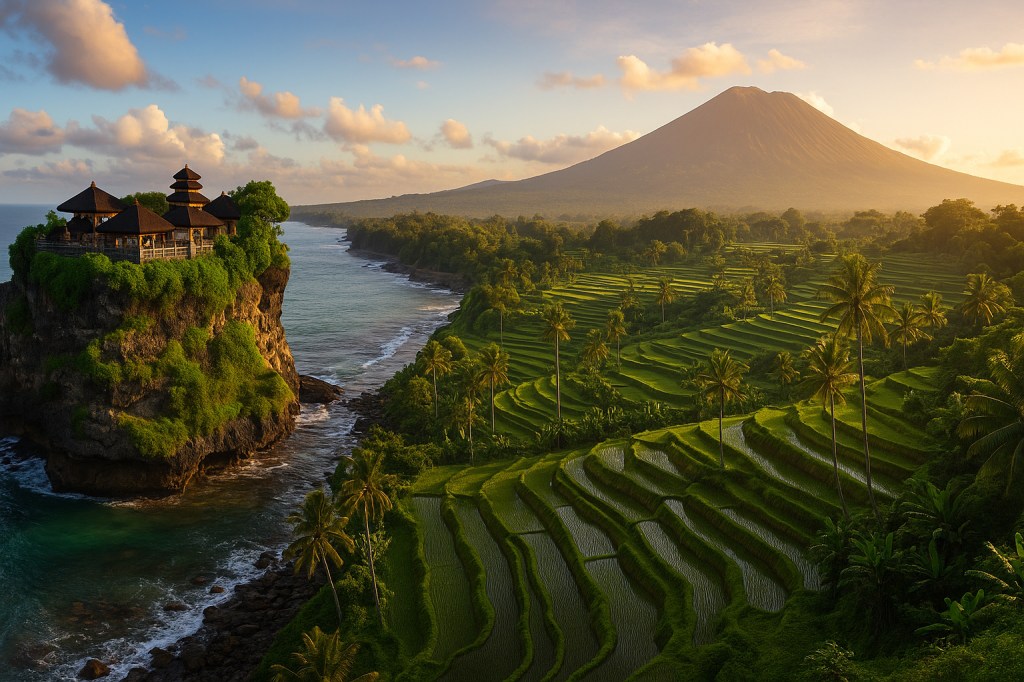
    Look, I always tell folks to start in the south. It’s close to the airport, it’s got beaches, it’s got cocktails, and it’s got sunsets that’ll mess you up emotionally (in a good way).

    Base Yourself: Seminyak or Canggu

    I’d recommend staying in Seminyak if you want something central and walkable. You’ll get great access to cafes, bars, and beach clubs. If you’re more into surfing or hipster coffee shops, then Canggu’s your place. But just know, the traffic in Canggu can be a bit of a pain these days.

    Read also our post about Denpasar Hotels

    What To Do:

    • Day 1: Land, grab a sim card at the airport (don’t overthink it, Telkomsel works just fine), check in, take a dip in the pool, then head to Jimbaran Bay for grilled seafood on the beach. Yes, it’s touristy—but it’s also romantic as hell and tasty if you don’t cheap out.
    • Day 2: Hit Uluwatu Temple in the afternoon, maybe stop by Padang Padang Beach on the way (it’s tiny but pretty). Don’t leave Uluwatu without watching the Kecak Fire Dance at sunset. It’s a whole experience, chants and all. If you’ve still got energy, grab a cocktail at Single Fin—that place has seen many wild nights.
    • Day 3: Chill at Finns Beach Club or La Brisa. Yeah, they’re kinda bougie, but you came to Bali to feel a bit fancy, didn’t you? Spend the afternoon poolside, maybe get a massage in the evening (90-minute Balinese massage should cost you around 200K IDR or less if you find a clean local spa—not the hotel ones).

    Note: Don’t try to do Ubud now—it’s way too far from here. Keep it logical. Bali’s small, but traffic doesn’t care about your schedule.

    Day 4-6 – Ubud: Culture, Rice Terraces, and Monkey Shenanigans

    Now that you’ve got your sun-and-cocktail fix, it’s time to head inland. I always say Ubud is the soul of Bali. It’s got temples, jungles, artsy vibes, and yoga ladies drinking turmeric lattes at 7am.

    Base Yourself: Central Ubud

    Stay near Jalan Monkey Forest or Campuhan Ridge. You’ll be walking distance to markets, temples, and some killer restaurants. Trust me, you don’t wanna be way out in the jungle unless you’re doing a retreat.

    What To Do:

    • Day 4: On the way to Ubud, stop by Tegenungan Waterfall. It’s one of the easier ones to reach and not a crazy trek. After that, hit up the Bali Swing thing if you’re into that kinda photo. Just know—you’ll have to queue, and yes, they’ll make you pose like a model. I usually just stand back and laugh while my guests work it for Instagram. Once you get to Ubud, drop your bags, then take a slow walk through the Ubud Art Market. Grab a coconut, maybe get talked into buying a woven bag you don’t need but kinda love.
    • Day 5: Here’s a full day: Start with Tegalalang Rice Terraces early in the morning (before the buses roll in). Then head north a bit to Tirta Empul Temple—this is the holy spring temple where locals and tourists alike come to purify themselves in the water. I’ve done it a few times myself—it’s not just a photo op, it’s actually quite peaceful. In the afternoon, you could do Goa Gajah (Elephant Cave), or if you’re into coffee, stop by a Luwak coffee plantation—you don’t have to buy anything, but the free tasting is decent. Just don’t believe everything they tell you about the beans, haha.
    • Day 6: Take it slow. Maybe do a yoga class at The Yoga Barn or go on a walk along Campuhan Ridge in the early morning. Brunch somewhere like Alchemy or Clear Cafe, then book a Balinese cooking class. A good one includes a market visit—so you get to see how much bananas really cost (locals always know when you’re getting ripped off).

    Day 7-8 – Head East: Sidemen or Mount Batur

    Okay now, here’s where you’ve got options depending on how adventurous you’re feeling.

    Option A: Sidemen (More Chill, Less Touristy)

    Sidemen is my personal fave. Feels like Ubud 20 years ago. Rolling hills, quiet rice fields, and barely any tourists yelling on scooters.

    If you go this route, stay in a villa with a view. Most places have infinity pools facing rice terraces. It’s crazy peaceful. Good for honeymooners, or just anyone needing a break from busy streets and constant “massage?” offers.

    Spend your time just relaxing, reading a book, maybe do a village walk. Ask your driver (or me!) to show you the local weaving workshops—this area’s known for it. You can also visit Tukad Cepung Waterfall nearby—it’s inside a cave and looks magical when the light hits just right.

    Option B: Mount Batur Sunrise Trek (If You Wanna Sweat)

    Now, if you’ve got energy and you’re not scared of a 2am wake-up call, go for the Mount Batur sunrise hike. It’s a 1.5-2 hour hike and yeah, it’s steep, but not Everest-level or anything.

    You get picked up at your hotel around 2:30am, drive up north, then start the hike around 4am. At the top, they serve you eggs cooked in volcanic steam (no joke), and if you’re lucky, monkeys will try to steal your breakfast.

    The view? Insane. Totally worth the effort—but don’t plan anything hectic after. Go soak in Toya Devasya hot springs after, have a beer, and nap hard.

    Day 9-10 – Nusa Penida or Back to Beach Life

    Alright, last two days. You’ve got a few choices again, but most people either go for one final adventure or just crash by the beach again.

    Option A: Day Trip to Nusa Penida

    If you haven’t seen Kelingking Beach, it’s probably on your vision board or phone wallpaper already. Looks like a T-Rex head, and yes—it’s as dramatic in person.

    Here’s the deal though: Penida is stunning, but it’s rough around the edges. The roads are bumpy, the cliffs are no joke, and the boat ride can be a bit rocky (especially if you’re prone to seasickness).

    But if you’re game, book a fast boat from Sanur early in the morning (go with a reliable one like Angel Billabong or Semabu Hills—don’t cheap out here). Once you arrive, you can hire a driver on the island to take you around or do a snorkeling tour if you’re into that. Highlights include Angel’s Billabong, Broken Beach, and Crystal Bay.

    Just don’t expect to swim at Kelingking Beach unless you’re part mountain goat. That path down is no joke, and coming up is worse.

    Option B: Chill in Sanur or Back to Seminyak

    If you’re all adventured out, just check into a nice hotel in Sanur—quiet beach vibes, great for families or tired legs. You could also head back to Seminyak and do any of the things you missed at the start.

    Spend your final day shopping, getting a last massage, sipping on coconuts, and watching one more sunset. Don’t rush to the airport—traffic can be unpredictable, and I’ve had clients almost miss flights trying to “squeeze in one last waterfall.” Not worth it.

    Extra Stuff You Might Want to Know Before You Go

    Money: Most places take cards now, but cash is still king in local warungs, markets, and some guesthouses. Get IDR from the ATM, and avoid those money changers with too-good-to-be-true rates.

    Sim Card/Data: Grab a Telkomsel sim at the airport or from any minimart. You’ll need data for Google Maps, WhatsApp (everyone uses it here), and maybe some late-night food delivery.
    Getting Around: Honestly, just hire a private driver for day trips. Scooters are fine if you’ve got experience, but not worth the hospital trip if you don’t. Plus, you’ll get local insights with a driver—like where to eat without paying 10x tourist prices.

    Dress Code: Temples require sarongs (most provide them), and don’t show up half-naked. Not just for respect—it’s also enforced. Don’t be that person.

    Weather: Dry season is April to October, but even rainy season is manageable. Just carry a poncho or umbrella and roll with it.

    Let’s Talk Food – What to Eat and Where to Actually Go

    Okay, we gotta talk food. Because here’s the thing—Bali’s food scene? Outta control in the best way. You’ve got everything from Michelin-level tasting menus in jungle hideouts to warungs (local eateries) dishing out mie goreng for $2 that’ll make you reconsider every overpriced noodle bowl you’ve ever had.

    Start with the Local Stuff

    If you came to Bali and didn’t try Babi Guling, what are you even doing? That’s Balinese roasted suckling pig, slow-cooked with spices for hours. You can get it at Warung Ibu Oka in Ubud (touristy but solid) or head out to Selingsing Cepaka near Canggu if you want where the locals go—it’s not fancy, but it slaps.

    Nasi Campur is the go-to rice plate. Think rice in the middle, then little spoonfuls of veggies, tempeh, maybe some shredded chicken, sambal (watch out for that red one, it’s spicy AF), egg, and sometimes peanuts or fried noodles. The flavors just work. You’ll find great nasi campur at Warung Wardani (Denpasar) or Warung Sopa in Ubud if you want a vegan spin.

    Mie Goreng (fried noodles) and Nasi Goreng (fried rice) are everywhere—and yeah, even though they sound basic, they hit differently in Bali. Especially with a fried egg on top and those crispy shallots.

    Western Food? Oh, there’s tons. Ubud’s got plant-based heaven written all over it. Try Zest, Alchemy, or The Seeds of Life for vegan/vegetarian plates. Over in Canggu and Seminyak, places like Crate Cafe, Nude, Revolver Espresso, or Sea Circus have breakfast spreads that could start a cult.

    I had a couple from Sweden once spend a whole day chasing smoothie bowls because “they just look so pretty.” Can’t argue with that logic.

    Late Night Munchies? Head to Mad Ronin in Seminyak for ramen, or grab spicy chicken at Ayam Geprek stalls. Local secret? Find a roadside warung near midnight and ask for “Indomie telur kornet” (instant noodles with egg and corned beef). It’s greasy, salty, and exactly what you want at that hour.

    Where to Stay – Making Your Bali Itinerary Work With Accommodations

    A good Bali itinerary doesn’t work without the right base. And lemme tell you—picking the right area to stay in can make or break your trip. I’ve had folks stay an hour from everything they wanted to see because they found a cheap villa on Instagram. Don’t do that to yourself.

    • Seminyak: Trendy, walkable, has it all—beach clubs, shopping, spas. Great if you’re into nightlife and want convenience.
    • Canggu: Younger crowd, more laid-back surfer vibes. Yoga spots, coworking spaces, and boutique cafes. But traffic’s a mess lately. If you rent a scooter, it’s doable. If you’re using cars—plan ahead.
    • Ubud: Ideal for mid-trip downtime. It’s green, artsy, and spiritual without being too woo-woo (unless you want it to be). Great place to stay in the middle chunk of your itinerary to rest and explore at a slower pace.
    • Sidemen: Perfect for two nights of serenity. Not much nightlife, but you’ll wake up to birds and rice terraces and not much else. It’s like therapy.
    • Nusa Penida: If you’re not just day-tripping, stay overnight at Semabu Hills, Autentik Penida, or a small guesthouse near the harbor. Just be ready for patchy Wi-Fi and roosters crowing before sunrise.

    Sanur or Jimbaran: Chill zones. Not as loud or party-heavy. Good for families or anyone ending the trip on a mellow note.

    Oh—and always check reviews past the pretty pictures. Some villas look like paradise online, but have moldy bathrooms or a club next door that pumps techno until 3am.

    Balinese Culture – The Stuff Guidebooks Don’t Really Say

    Alright, here’s where I need to get a little real. Bali isn’t just about the beaches and resorts. It’s got soul. There’s ceremony everywhere. Temples, offerings, incense—you’ll trip over a canang sari (those little palm-leaf offerings with flowers and snacks) if you’re not watching where you walk.

    Respect goes a long way here. Like, don’t step on those offerings. You might not mean anything by it, but locals take that stuff seriously. It’s part of their daily prayers and spiritual balance.

    And if you hear loud music and see traffic blocked? It’s probably a Ngaben (cremation ceremony) or a Galungan celebration. Roll with it. These ceremonies are major life events, and the whole village shows up. I’ve seen tourists complain because the roads were blocked for a procession. Just don’t be that guy.

    When you visit temples—cover your shoulders and wear a sarong. Most big ones will lend you one. And yeah, that “no entry during menstruation” sign? That’s part of Balinese belief, not just random sexism. Whether you agree or not, it’s part of their worldview.

    Also: Balinese time? Not exactly… precise. “Five minutes” might mean 20. Don’t stress it. Everything eventually works out here—just takes a bit of island patience.

    Health & Safety – Stuff No One Tells You Until It’s Too Late

    Okay, let’s talk about the stuff that can sneak up on you.

    Water: Don’t drink from the tap. Don’t brush your teeth with it either if you’ve got a sensitive stomach. Bottled water is everywhere and cheap.

    Bali Belly: Yup, it’s a thing. Usually from contaminated water, street food, or unwashed salad. I’ve seen people knocked out for 48 hours, curled up next to a toilet. Bring charcoal tablets, drink lots of Pocari Sweat (that’s the local electrolyte drink), and if it’s bad, find a clinic—there are plenty of expat-standard medical places.

    Mosquitoes: Bring repellent. Dengue’s a risk, especially in rainy season. Long sleeves at dusk help too.

    Scooters: Everyone wants the scooter lifestyle until they wipe out on gravel in shorts and flip-flops. If you’re not used to riding, just hire a driver. You’ll see more, stress less, and avoid the ER.

    Insurance: Get travel insurance. Just do it. You don’t need it—until you really, really do.

    Some Unexpected Wins – The Small Moments That Hit Hard

    So many folks come to Bali chasing the big moments—sunsets, temples, photo ops. And those are great. But the ones people remember most? Usually the small, unplanned stuff.

    Like sitting in a warung in the rain because your tour got delayed, and ending up laughing with a grandma who served you banana fritters and couldn’t speak English—but made you feel like family anyway.

    Or the time you got stuck behind a funeral procession in Sidemen and watched how the whole village carried the spirit of the dead with music and fire and joy instead of just grief.

    Or catching your first Balinese sunrise, not at some famous beach, but from a random hotel balcony, barefoot, holding a warm cup of coffee, thinking—this might be what peace feels like.

    Those don’t fit neatly into an itinerary, but they’re the soul of the whole trip.

  • Denpasar Hotels: Where to Stay Without Getting Ripped Off or Lost in the Tourist Traps

    Denpasar Hotels: Where to Stay Without Getting Ripped Off or Lost in the Tourist Traps

    Alright, let me just get this outta the way — Denpasar ain’t like Kuta or Seminyak. It’s not the flashy, “I came to party and take selfies with cocktails” kind of place. Denpasar is where the locals live, work, and do real Bali life. So if you’re checking out Denpasar hotels for your next trip, you’re probably the kinda traveler who wants more than just pool bars and Instagrammable brunches. And hey, I respect that.

    As a Bali private driver who spends half my life waiting outside hotels (no joke), I’ve gotten pretty good at spotting which ones are worth your time… and which ones are just traps wrapped in fancy reviews. Trust me, you don’t wanna learn this the hard way after a long flight and a hot, sweaty taxi ride. I’ve seen folks cry at reception — not even exaggerating.

    Read also: Monkey Forest Bali

    So, Why Denpasar Anyway?

    Let’s clear this up real quick. If you’re still on the fence about staying in Denpasar, let me give you the lowdown. It’s the capital of Bali, yeah? The heart. You’ll find way more temples, traditional markets, local warungs, and real Balinese culture here than anywhere else. No offense to the beach towns, but Denpasar got soul.

    Also, it’s super central. Wanna go to Sanur for sunrise? Easy. Need to hit Canggu for a dinner date? No biggie. You’re kinda in the middle of everything. That’s why folks who stay longer or come back a second time start to pick Denpasar instead of the usual touristy spots. Smart move, if you ask me.

    What Kind of Denpasar Hotels Are We Talkin’ About?

    Now don’t expect five-star beachfront resorts with butlers named Wayan waiting with cold towels. You’ll find mostly budget hotels, mid-range spots, a few boutique-style joints, and those cozy guesthouses run by families (those are my fave, honestly). If you’re the backpacker type or a digital nomad tryna save your rupiah, you’ll love it here.

    There’s this place called Hotel Nata Inn I drop guests at all the time — decent Wi-Fi, clean rooms, and you’re literally five minutes from Level 21 Mall. Perfect if you need shopping or you forgot your charger (been there, done that). I think rooms are around 250k-300k IDR a night last I checked. No frills, but good vibes and polite staff.

    If you want something a bit more stylish, check out Mahajaya Hotel in north Denpasar. Older building, but the pool is clean and the nasi goreng in the morning hits the spot. Prices hover around 400k IDR and they got parking space, which I love because… yeah, I’m driving all day. It matters.

    Booking Direct vs. Apps – Don’t Get Played

    Okay, real talk — those big hotel apps? Sometimes helpful, sometimes straight-up daylight robbery. I’ve had guests who booked online and paid nearly double what the walk-in rate was. Not even kidding. Especially with Denpasar hotels, where a lot of places don’t update their prices online too often.

    If you’re staying more than two nights, just message the hotel directly. WhatsApp them — yes, they all use WhatsApp. Ask if there’s a better price. Be nice about it, and you’ll usually get a little discount or maybe breakfast thrown in. I’ve helped a guest knock 20% off just by being polite and messaging ahead.

    And if you’re already in Bali, just go check the place out. Walk in, ask to see the room. If it’s not peak season, they’ll often be happy to make a deal. Locals love cash payments too — I mean, who doesn’t? Just don’t be shady about it.

    Best Areas in Denpasar to Look for Hotels

    Alright, Denpasar’s huge, and not every part is tourist-friendly. Lemme break it down by vibe.

    Renon – The “Clean and Chill” Zone

    This is where a lot of expats and white-collar locals live. It’s got wide streets, a few nice cafes, and some low-key but solid Denpasar hotels. Plus, you’re super close to the Bajra Sandhi Monument, which is honestly one of my favorite spots to chill. You can find boutique-style stays here like Inna Bali Heritage Hotel — classic Bali vibes, not too pricey, and it’s near government offices, so security’s tight.

    Pemecutan – Local Flavor, Big Energy

    If you want that real Bali feel, Pemecutan’s got it. Narrow streets, warungs everywhere, and it’s alive 24/7. I always tell folks, if you hear roosters in the morning and motorcycles all day — you’re in the right part of town. There are budget spots like Hotel Intan Sari or Hotel Ratna 2, where you can crash for under 200k IDR. Just don’t expect luxury, okay?

    Sanur Borderline – Best of Both Worlds

    If you stay on the edge of Denpasar close to Sanur, you kinda cheat the system. You get that affordable Denpasar price tag but you’re 10 minutes from the beach. A lot of long-stay travelers book spots like AB Hotel Sanur or Sayang Residence for that reason. Some even rent monthly — not a bad deal if you’re working online and just need decent Wi-Fi and a desk.

    What to Watch Out For When Booking Denpasar Hotels

    Lemme save you some pain. I’ve heard every hotel horror story you can imagine. These are the big red flags:

    • No Google Reviews or very few – if you only see a handful and they’re all 5 stars with broken English, yeah… maybe fake.
    • Weird location – always check the map. Some hotels say “Denpasar” but they’re way out in the rice fields or industrial zones. Not walkable. You’ll be stuck calling me every day just to grab food.
    • Windowless rooms – very common in budget places. If you’re claustrophobic, double-check that they’ve got windows. Trust me.
    • No hot water or dodgy AC – sounds minor, but in Bali’s heat? Not fun.

    And please… always check if there’s secure parking if you’re renting a scooter. I’ve seen too many stolen helmets and one whole scooter just vanish once. Not mine, thankfully.

    Denpasar Hotels for Long-Stay Guests

    If you’re hanging around Bali for more than two weeks, Denpasar is a smart choice. Rent’s cheaper, food is better (and cheaper), and you’re not stuck in party-town madness every night. I drive some long-term digital nomads who swear by places like Sayang Residence 2, which offer monthly deals. Think 3-5 million IDR a month, including Wi-Fi, cleaning, and sometimes even a kitchenette.

    There’s even an area called Gatsu Barat (Gatot Subroto Barat) that’s slowly turning into a digital nomad hotspot. A little traffic-y, but you can find apartments and hotel-style studios for way less than what you’d pay in Ubud or Canggu.

    Also — minor thing, but huge if you’re staying long — look for places near a laundry kiloan (pay-per-kilo laundry). Don’t waste time or money doing it in-house unless they charge the same. You’ll see the difference over a few weeks, believe me.

    Eating Around Denpasar Hotels – Don’t Sleep on Warungs

    Look, if you’re staying in Denpasar and still ordering GoFood from some Seminyak sushi joint, you’re doing it wrong. This city has some of the best warungs on the whole island. You could eat for under 30k IDR and feel full for the rest of the day.

    There’s a warung near Hotel Puri Ayu that does ayam geprek that’ll make you sweat and smile at the same time. Also, Denpasar’s night markets are criminally underrated. Kreneng Market is packed with satay, bakso, nasi jinggo — all that good stuff. Bring cash and don’t be shy to ask what stuff is if you don’t recognize it. Locals love helping out.

    I tell my guests all the time — skip the fancy spots for at least a few meals. You’ll find out Bali tastes way better when it’s served on a banana leaf and eaten with your hands.

    Internet, Co-Working, and All That Digital Nomad Stuff

    If you’re coming to Bali to work online, Denpasar hotels might surprise you. They’re not all stuck in 2005. A lot of mid-range ones now advertise fast Wi-Fi, and some even partner with local co-working cafes.

    There’s this cozy place called Bhuwana Stay near Renon. It’s quiet, has fiber internet, and is next to Saya Kopi, where half the laptop crowd seems to hang out. Super chill, lots of plugs, and they do a decent cappuccino for 20k. Not bad, right?

    Still, always test the Wi-Fi speed when you check in. Just ask them to run a speed test or do it yourself if you’ve already booked. Don’t assume — I had one guest stay at this cute-looking villa and the Wi-Fi didn’t even work outside the lobby. Yikes.

    Real Talk – Is Denpasar Right for You?

    Honestly? If you’re looking for peace and quiet, real culture, solid food, and don’t mind being a little out of the “tourist center”… Denpasar is a gem. It’s not sexy like Ubud or cool like Canggu, but it’s got heart. And the hotels here? They’re not always on the radar, but the value you get is hard to beat.

    And as someone who spends most of my days helping folks get around, I can tell you this: Denpasar folks are kind, helpful, and not just out to get tourist dollars. You’ll get better service, warmer smiles, and if you show some effort (like learning a “terima kasih”), people will go outta their way for you.

    Denpasar Hotels with Pools – Yes, They Exist

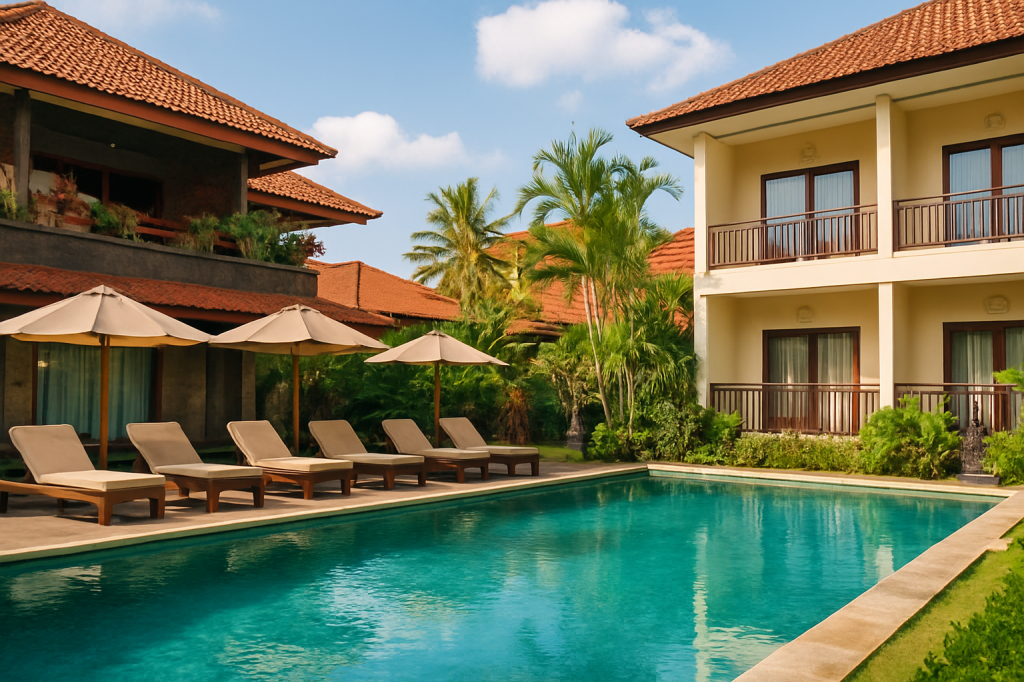
    I get this one a lot: “But do Denpasar hotels even have pools?” Short answer: yup, some do — you just gotta know where to look. Don’t expect infinity-edge ocean views, but you can definitely cool off after a hot day dodging traffic or temple hopping.

    Alkyfa Hotel & Residence is one of the few mid-range ones with a solid little pool tucked away in the back. Nothing fancy, but clean, quiet, and surrounded by palm trees. I once picked up a guest there who stayed for a month and said it was her secret escape from the chaos of Kuta. I popped in for a quick coffee with her (we’d become pals after a few rides), and yeah — totally peaceful.

    Another one that surprised me was Oranjje Hotel Denpasar — old-school style with a retro feel, but the pool is big, and they got plenty of shade. Don’t go expecting modern minimalism — it’s more like 90s Balinese charm — but comfy and pretty affordable, usually under 400k IDR.

    The key is not to search by “Denpasar hotels with pools,” because the algorithm still favors Seminyak and Legian. You gotta get specific with area names like “Renon hotels with pools” or even just call the front desk and ask. Most of these places aren’t great with updating websites.

    How to Avoid the “Too Local” Problem

    Okay, now let’s get real for a sec. Denpasar is awesome, but if it’s your first time in Bali — and you’re not used to local-style living — you might get a bit of a shock. I had one couple from the US book a super cheap guesthouse near Batubulan, thinking it was all traditional and “authentic.” They called me the next morning begging to move. Turns out the room had no AC, the bathroom was squat-only, and the neighbor’s rooster started his concert at 4:30 AM.

    So if you’re not ready to go full-local yet, it’s okay. Just read the reviews carefully. Look for places that mention things like:

    • “Western toilet” (yeah, it matters)
    • “Air-conditioning that works”
    • “Quiet area” or “away from traffic”
    • “English-speaking staff” (super helpful if you’re new to Indonesia)

    Nothing wrong with dipping your toe in slowly. Bali’s culture is beautiful, but it’s okay to want a good night’s sleep too.

    Can You Walk Around? Is Denpasar Safe?

    This one gets asked a lot — and the answer’s mostly yes. I mean, you’re not gonna walk down Jalan Teuku Umar and think, “Wow, what a lovely pedestrian experience.” Denpasar’s not really built for walking, but it’s not dangerous either. It’s just… chaotic. Scooters everywhere, uneven sidewalks, and no real traffic rules (if you’ve been here, you know what I mean).

    But if you stay in areas like Renon, Panjer, or Gatot Subroto Barat, you’ll find places where you can walk to a warung, mini-mart, or even a park. Just wear shoes — I’ve seen too many tourists trip on loose pavement wearing flip-flops. And bring small change for those random drink stalls. Life savers.

    Safety-wise? Denpasar is probably safer than most big cities in the West. Petty theft happens (like everywhere), but violent crime is rare. Don’t leave your stuff on your scooter seat, lock your door, and don’t go waving your iPhone around in crowded markets. Use common sense and you’ll be fine.

    Denpasar Hotels Near Hospitals (Just In Case)

    I had a guest once — sweet guy from Melbourne, early 30s — who came down with a nasty case of Bali belly. Poor fella booked a hotel 45 minutes from the nearest decent clinic and spent two hours trying to get there because of a Galungan ceremony that blocked off the road.

    Lesson? If you’ve got medical concerns or just like knowing help is nearby, stay near Sanglah Hospital or Bali Royal Hospital (BROS). Both are solid, have English-speaking staff, and are in areas with good hotel options.

    Hotel Puri Ayu, for example, is super close to Sanglah and still feels pretty cozy for the price. Praja Hotel in Renon is another one that’s near BROS and also surrounded by decent food options, which helps if you’re recovering from anything. Nobody wants to trek across town for toast and tea when their stomach’s doing backflips.

    Local Insight – What Hotel Staff Won’t Tell You

    Since I hang around these hotels a lot, I get the behind-the-scenes gossip. And trust me — it’s juicy sometimes. One place (won’t name names) had a rat problem they never fixed, even after months of complaints. Another used to shut off the AC breaker during the day to save electricity — guests would just think it was broken.

    So how do you avoid this? Easy:

    • Talk to other travelers. If you see someone at breakfast who looks halfway friendly, just ask how their stay’s going.
    • Don’t book more than two nights upfront unless you really trust the place. It’s easier to move than to beg for a refund.
    • Use Facebook groups like “Canggu Community” or “Bali Expats” — folks are brutally honest there, and they don’t hold back.

    Also, don’t be afraid to complain (nicely). Balinese hospitality culture is strong. If something’s wrong, and you point it out calmly, they’ll almost always try to fix it.

    Hidden Charges? Yeah, They’re a Thing

    Alright, here’s another one. Some budget hotels try to tack on extra charges. Cleaning fees, towel rentals, air-con “upgrades” (seriously), or even extra charges for guests who come into your room — even if they’re just friends visiting for coffee.

    Always, always ask:

    • Is the price final?
    • Does it include tax?
    • Is breakfast included or extra?

    And if you’re unsure, take a photo of the booking confirmation. I had a guest once who got charged twice for the same night and only sorted it out ‘cause she had screenshots. Stuff like that can ruin your mood real quick.

    Also — and I hate to say it — but if you’re not Indonesian, they sometimes assume you’ll just pay without arguing. Not everyone does this, but yeah… it happens. Stand your ground politely, and you’ll usually get treated fairly.

    How to Make Friends (and Get Perks) at Denpasar Hotels

    Here’s a little secret: Balinese people remember faces, and they LOVE regulars. You treat the front desk staff with kindness, learn their names, maybe bring back a coffee once — next thing you know, you’re getting room upgrades or better service.

    I’ve seen this in action. One of my regulars — a retiree from Germany — always brings snacks from Circle K for the hotel staff. They treat him like a king. Free laundry, late checkouts, the whole nine yards.

    Also, tip when you can. Even 10k or 20k rupiah means a lot. I’ve seen hotel cleaners break into a smile like Christmas came early for a small tip. Doesn’t cost much, but it goes a long way in building good vibes.

  • Monkey Forest Bali: What You Should Know Before You Go

    Monkey Forest Bali: What You Should Know Before You Go

    Alright, so you’ve probably seen a ton of pics or TikToks about Monkey Forest Bali and thought, “Okay, that place looks wild.” And yeah, it is—but in a good way. As a private driver in Bali for more than 12 years, I’ve taken hundreds of guests there. Some loved it, some got a little freaked out (you’ll understand why), but most walk away with a story they’ll tell over and over again. So, I thought it’s time I write this down properly.

    If you’re planning a trip to Ubud, the Monkey Forest in Bali is one of those places you kinda can’t skip. It’s not just about the monkeys—although, yes, there are a ton—it’s also about culture, jungle vibes, temples, and even a bit of comedy (unintentional monkey mischief, mostly).

    So, What Exactly Is the Monkey Forest Bali?

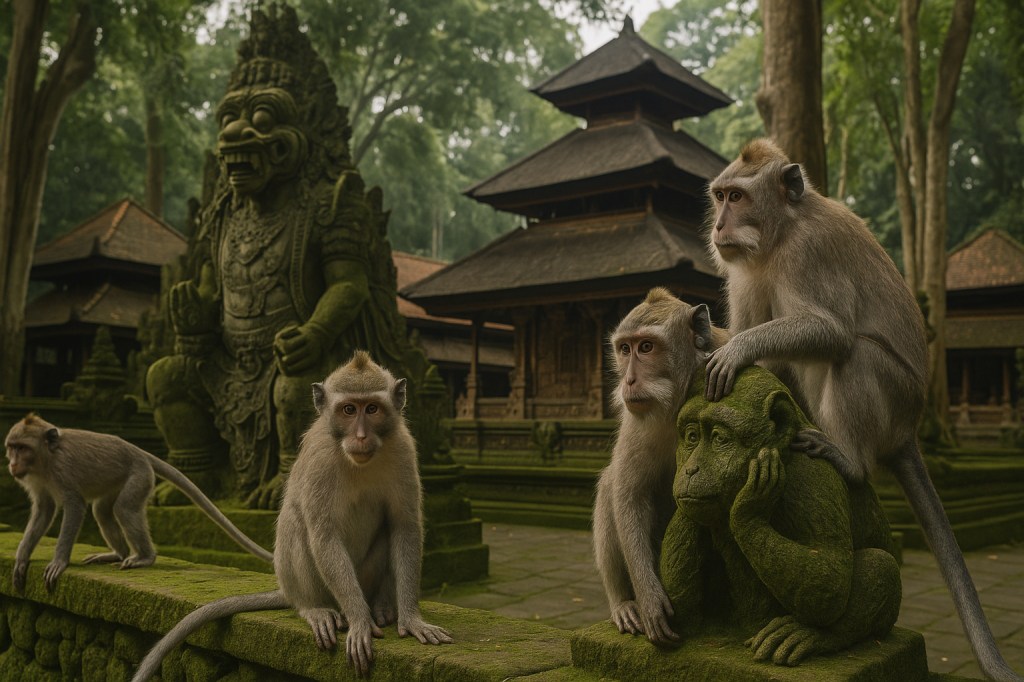
    The official name is Sacred Monkey Forest Sanctuary. Locals call it “Mandala Suci Wenara Wana”—yeah, try saying that three times fast. It’s smack in the middle of Ubud, and it’s home to over 1,200 long-tailed macaques. These aren’t shy monkeys. They’re basically the landlords and you’re the guest.

    Besides the monkeys, there are three temples inside the forest—Pura Dalem Agung Padangtegal, Pura Beji, and Pura Prajapati. Each one still used by locals, especially during ceremonies. So yeah, it’s not just a monkey park—it’s a legit sacred space too.

    Oh, and the forest itself is stunning. Towering banyan trees, moss-covered statues, tiny rivers, and shaded trails that make you forget Ubud’s traffic is just minutes away. It’s cool (literally and figuratively), peaceful in spots, and kinda surreal.

    Best Time to Visit Monkey Forest Bali

    Alright, lemme be straight with you. If you go around noon, you’re just asking for heatstroke and a crowd full of phone-waving tourists. Morning is best—like 9 AM when the gates open. The monkeys are a little more chill, the light’s perfect for pics, and it’s way easier to enjoy the place.

    Avoid weekends if you can. And if you’re traveling during the dry season (April to October), great—no muddy trails. But honestly, even during rainy season (Nov–March), it’s still doable. Just bring a poncho, not an umbrella (monkeys think those are toys).

    Ticket Prices and Opening Hours

    Prices are affordable, but they’ve gone up a bit lately. As of 2025, here’s what you’re looking at:

    • Adults: IDR 80,000
    • Kids (3-12 years): IDR 60,000
    • Children under 3: Free

    Open daily from 9 AM to 6 PM (last entry at 5 PM). Tickets can be bought on-site or online now. Honestly, get ‘em online if you hate queues. If you book me as your driver, I can help with that too, no problem.

    What NOT to Do Around the Monkeys (Trust Me on This One)

    I’ve seen it all. Monkeys stealing hats, yanking earrings, opening zippers—these little guys are clever. Here’s what I tell all my guests, based on things I’ve actually seen go down:

    Don’t Bring Plastic Bags
    They associate that crinkly sound with food. I once had a lady lose her makeup kit because it was in a mini plastic pouch. Monkey just grabbed it and dashed. Lipstick everywhere.

    No Food, No Snacks
    Even if you think it’s hidden—nope. They’ll sniff it out. I watched a guy once get his backpack opened by a monkey while he was busy taking a selfie. Found a protein bar. Gone.

    No Loose Jewelry or Sunglasses on Head
    Yes, that Bali hat looks cute. No, it won’t stay on your head. Clip-on earrings? Say goodbye.

    What You Should Bring

    • Small bag or fanny pack (worn on the front)
    • Phone or camera with a good wrist strap
    • Light clothing (it gets humid)
    • Hand sanitizer (trust me, you’ll want it)
    • Closed shoes – not flip-flops (there are stairs and wet areas)

    And bring your patience. Sometimes you’ll get photo-perfect moments, sometimes the monkeys just don’t care. It’s nature, not a theme park.

    Getting That Perfect Monkey Selfie

    Yes, you want it. Everyone does. But here’s the deal—you don’t chase the monkeys. Let them come to you. Sit quietly on a bench or low step. If they’re curious, they’ll approach. Some of the forest staff will help you if they’re around, but don’t count on it.

    Oh, and don’t try to feed them to get the shot. That’s not cool. It encourages aggressive behavior, and honestly, you don’t want a monkey jumping on your shoulder unexpectedly.

    Also, the monkey pee is real. If one sits on you—well, good luck. It’s kinda like a rite of passage, though. Just wear something you can laugh about ruining.

    Is Monkey Forest Bali Safe?

    Short answer: Yeah, mostly. But it’s still a wild animal sanctuary. They might look cute, but macaques have sharp teeth and a strong grip. Don’t panic if they come close—just stay calm. Running or screaming will make it worse.

    The staff are trained and super helpful. If anything weird happens (like a monkey won’t get off you), someone will assist you fast. There’s also a first aid station at the entrance.

    You’re more likely to be injured from slipping on a mossy step than by a monkey bite, to be honest. So just walk carefully.

    Cultural Side of Monkey Forest

    Okay, this part gets overlooked by a lot of tourists. The Monkey Forest is spiritually important to Balinese Hindus. The temples are used for purification ceremonies, cremations, and offerings. You can’t enter the temple areas unless you’re participating in a ceremony, and that’s totally fair.

    Take a moment to notice the stone carvings, the penjors (bamboo poles), and the little canang sari offerings on the ground. Don’t step on them. If you’re not sure what you’re seeing, ask one of the staff or guides—they’re usually happy to explain.

    How to Get to Monkey Forest Bali

    It’s right in Ubud town, so if you’re staying nearby, you can walk or cycle. But if you’re coming from Seminyak, Canggu, or Kuta, it’s a bit of a mission—about 1.5 to 2 hours depending on traffic.

    You can hire a private driver (hey, that’s me 👋) for a day trip to Ubud. We usually combine it with visits to places like Tegallalang Rice Terrace, Tirta Empul temple, or a nice lunch overlooking the jungle. Honestly, it’s the most chill way to explore. You don’t wanna be dealing with scooter parking or getting lost in those tiny back roads.

    What’s Around the Monkey Forest?

    Right outside the forest gates, there’s a whole stretch of shops, warungs, and cafes. It’s touristy, yeah, but you can still find cool handmade stuff, wood carvings, silver jewelry, and those “Eat, Pray, Love” style dresses.

    There’s a nice café called Habitat that my guests usually enjoy—it’s walking distance and they make a solid iced coffee. There’s also a vegan spot across the street, and a gelato place nearby if you’re just done with the heat.

    Also, just wandering around that part of Ubud is fun. Side streets full of little surprises—like a hidden spa or that one gallery that sells banana leaf art.

    Is It Worth It?

    I get asked this all the time—“Is Monkey Forest Bali really worth visiting?” And look, if you don’t like animals, crowds, or unexpected chaos… maybe not. But if you’re up for something unique, with a mix of wildlife, culture, and lowkey jungle adventure, then yes. It’s absolutely worth a couple of hours.

    Plus, it’s one of those places that’s never quite the same twice. Some days the monkeys are chill and you’ll get amazing photos. Other times, they’re in drama mode, fighting over a coconut. That unpredictability? That’s the charm.

    Extra Things to Know (Stuff I’ve Learned the Hard Way)

    • Don’t bring bananas. There used to be stalls selling them, but that got banned. For good reason.
    • Keep your car keys zipped up. Monkeys have stolen those before. No joke.
    • If you’re scared of monkeys jumping on you, just stay on the main paths. They hang out more in the deeper parts.
    • Monkey bites are rare but possible. There’s a clinic in Ubud that deals with this kind of stuff. But again, don’t worry too much—just follow the rules.
    • The forest gets slippery when wet. If you’re older or have mobility issues, let your driver know so we can help you plan around that.

    Local Legends and Monkey Forest Stories (You Won’t Find on Google)

    So here’s something you might not know: Balinese people believe that monkeys are sacred animals. Not just because of Hanuman, the monkey god in the Ramayana, but also because they’re seen as protectors of the temples inside the Monkey Forest. It’s why the locals don’t mess with them too much. We respect them—even when they’re being cheeky little punks.

    One time, I had a guest from Australia who was super into spiritual stuff. She sat near one of the temple gates meditating while the rest of the group wandered. No joke—three monkeys came and sat near her, not touching, just quietly sitting like they were joining in. No food, no tricks. It was like they felt something. I still think about that.

    Of course, the next day, I brought a group of lads from the UK and one monkey full-on stole a GoPro and climbed up a tree. That’s Monkey Forest for you—every visit’s a wild card.

    Temples Inside Monkey Forest: What’s the Big Deal?

    Okay, so you can’t actually go inside the temples unless you’re dressed in traditional attire and there’s a ceremony happening, but even just walking around them is an experience. The architecture is old-school Bali—carved stone, moss-covered steps, guardian statues with cloth wrapped around them. Gives you chills sometimes, honestly.

    The main temple, Pura Dalem Agung Padangtegal, is dedicated to the god Shiva, the destroyer. Not in a bad way—more like transformation, endings before new beginnings. Locals do cremation ceremonies tied to this temple. That’s heavy stuff, but powerful.

    Then there’s Pura Beji, near the small river inside the forest. It’s used for purification. You’ll see women in kebayas walking in, carrying offerings—super peaceful. Don’t walk into the sacred spring area unless you’re guided and dressed properly. It’s not a tourist pool.

    And lastly, Pura Prajapati, near the cemetery, is where people come before cremation. Bit somber, but important. And yeah, that’s one of the reasons why Monkey Forest isn’t just a place with animals—it’s alive with meaning and rituals. That’s why we respect it so much.

    What Else to Do Around Ubud After Monkey Forest

    If you’re already in Ubud, don’t stop at just the forest. This area’s got so much packed into it, and honestly, most people only scratch the surface. Here’s what I usually suggest when I’m driving folks around who want to do more than just “check in” at Monkey Forest.

    Grab Lunch in a Jungle Cafe

    There’s this spot called Clear Café not too far, perfect if you’re into healthy eats. Or if you want a jungle view, Sayan House is a bit of a splurge but wow, that view… it’s insane. If you want something more casual and local, I’ll take you to Warung Biah Biah—my regular lunch stop. Tasty nasi campur, cold drink, under IDR 50K.

    Try a Real Balinese Massage

    You’d be surprised how many people say their massage at a small Ubud spa was the highlight of their trip. There’s one just behind the soccer field near Monkey Forest Road. Ask me, and I’ll show you. Not on Google Maps, but the real deal.

    Visit an Art Studio

    Most people just pass the galleries, but you can actually walk into places like Agung Rai Museum of Art (ARMA) and sometimes meet the artists. They’re chill and love chatting with curious travelers. You might even end up with a painting in your suitcase.

    Common Mistakes Tourists Make at Monkey Forest Bali

    Let’s keep it real. Sometimes I have to shake my head when I see folks ignoring the signs, not listening to guides, or worse—trying to touch or pick up baby monkeys. Don’t be that person. So here’s a few heads-ups that’ll help you avoid looking like a clueless tourist.

    • Feeding the monkeys: Not allowed. It messes up their natural diet and behavior. Just don’t do it, even if someone “offers” you fruit to give them. Say no.
    • Getting too close to babies: Mama monkeys don’t play. You go near a baby, she might hiss or jump at you. Even if the baby seems alone—it’s not.
    • Wearing open-back sandals: Those steps can be slippery. If it rains even a little, it turns into a skating rink.
    • Bringing drones: You need a special permit, and 9 times outta 10 you won’t get it. Plus, it freaks the animals out.
    • Thinking it’s a zoo: This one’s huge. Monkey Forest isn’t a zoo. The monkeys aren’t trained, there’s no fence, and you gotta respect that you’re on their turf.

    How Long Should You Spend There?

    Most people take 1.5 to 2 hours to walk through, take photos, and soak in the vibe. But some of my guests have spent almost 4 hours—especially if they take their time, rest at a few benches, and enjoy some monkey-watching like it’s Netflix.

    It really depends on your energy level and how into nature you are. Some people get a little anxious with so many monkeys around. Others are like “this is the best part of Bali.” Both are fair. You can leave anytime and re-enter the same day if you keep your ticket.

    If You’re Planning a Ubud Day Trip…

    This is my usual go-to itinerary for a day trip from Seminyak or Canggu that includes the Monkey Forest:

    • Start early (pick-up around 7:30–8:00 AM)
    • Stop at Tegenungan Waterfall on the way in
    • Head to Monkey Forest around 9:30 AM
    • Coffee break at a local warung or at Seniman Coffee Studio
    • Quick walk around Ubud Palace and Market
    • Visit Tegalalang Rice Terraces in the afternoon
    • Optional swing stop or luwak coffee plantation
    • Back to your hotel before sunset

    It’s full, but you won’t feel rushed. Trust me—I’ve done this loop hundreds of times. It works.

    Staying Near Monkey Forest? Here’s What to Expect

    If you stay in one of the hotels or villas near Monkey Forest Road or Jalan Hanoman, you’re basically in Ubud’s heart. Everything’s walkable: cafes, yoga studios, shops, spas.

    But there’s a flip side: mornings can be noisy (roosters, scooters, random gamelan rehearsals), and the monkeys sometimes do wander out. I’ve heard of monkeys sneaking into villas and stealing soap or snacks from the minibar. Keep your windows shut when you go out. For real.

    If you want something quieter, I usually recommend staying slightly outside Ubud center—like in Nyuh Kuning or Penestanan. Still close, but with more rice fields and peace.

    Booking Tickets and Tours

    So a lot of folks ask me, “Should I book in advance or just show up?” My answer: it depends. For Monkey Forest specifically, tickets are easy to get—even walk-in. But during high season (July–Sept), Ubud can get packed. If you’re short on time or want to avoid standing in line in the heat, just book online or ask your driver (me 😄).

    Also, if you’re planning to combine this with other tours (like a Mount Batur sunrise or Bali swing), best to pre-book. The combo packages often save you money and stress.

Design a site like this with WordPress.com
Get started